
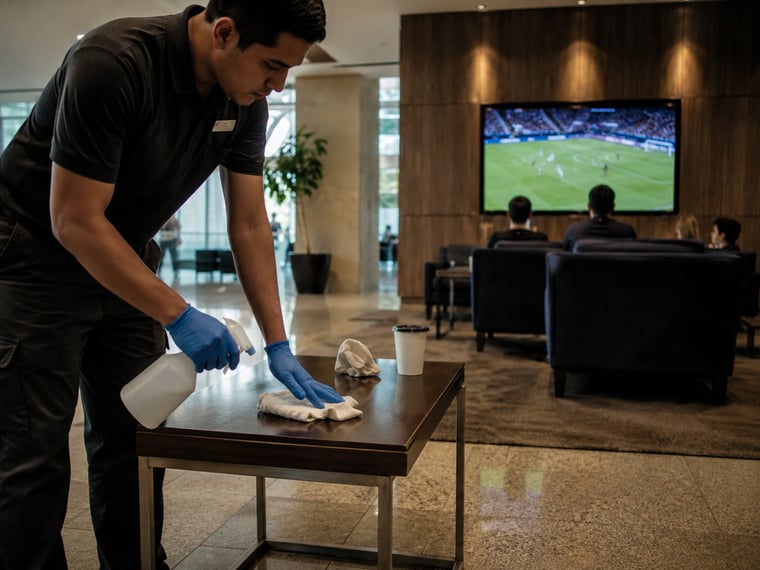
Why Every Property Needs a Soccer Season Cleaning Plan Before Traffic Increases
A busy summer soccer season can change how your shared spaces feel, even if your property doesn't become a full event venue. With more guests in common areas, heavier breakroom use, fuller trash bins, and faster wear on lobbies and restrooms, the building might not seem chaotic, but it can start to show signs of wear more quickly.
At Elite Touch Cleaning Services, we often help property managers throughout the Carolinas identify potential problem areas before seasonal traffic increases begin affecting building appearance and tenant satisfaction. For commercial properties throughout the Carolinas, planning ahead can help maintain cleaner facilities, protect first impressions, and reduce complaints during the busiest parts of the season.
It's better to review your building's problem areas before the season gets busy, instead of waiting for complaints.
Start with the areas that feel it first
Not every area needs extra attention at once. A well-structured soccer season cleaning plan identifies these high-visibility areas early so cleaning resources can be allocated more effectively. The spaces people share the most tend to lose their appearance first:
- Lobby and entry areas
- Elevators and elevator lobbies
- Shared restrooms
- Breakrooms and lounge spaces
- Hallways and stairwells
- Trash collection points
- High-traffic floors
People also notice these spaces first. Fingerprints on lobby glass, low restroom supplies, or a smudged elevator by mid-afternoon can make the whole property seem less well-managed than it really is.
A good seasonal plan starts by finding out which of these spaces usually show wear the fastest. Focus on those first when traffic increases.
Separate your nightly reset from your daytime support
One common mistake property managers make before a busy season is trying to fix everything with a stronger night cleaning, when the real issue is what happens during the day.
A nightly crew can reset the building by cleaning restrooms, removing trash, wiping breakrooms, vacuuming floors, and spot-cleaning glass. But if common areas look worn by noon, a better night clean won't solve it. The building needs support while people are there, not just after hours.
This is where a day porter or midday touch-up plan helps. Night cleaning restores the property, while daytime support keeps it looking good during use. If complaints come in before the day ends, the problem is usually timing, not effort.
Many facilities find that a soccer season cleaning plan works best when nighttime cleaning and daytime support are treated as separate but complementary services.
Build the plan around traffic, not square footage
A bigger building doesn't always need more cleaning than a smaller one. For example, a 12,000-square-foot property with steady guest traffic, shared amenities, and busy common areas can need more cleaning than a much larger building with less activity. The same goes for condos, where the lobby, elevators, and lounge get most of the daily use.
However, the most effective soccer season cleaning plan focuses on actual building usage patterns rather than relying solely on square footage calculations.
Square footage is just a starting point. The real questions that shape your cleaning plan are:
- Which spaces take the most wear, and when?
- How often do restrooms need attention based on actual usage?
- What floor types are involved, and what condition are they in?
- How does building traffic shift during peak hours?
If you answer these questions honestly, you'll usually end up with a smarter, more focused plan than just using square footage.
Review restroom and supply planning before the season starts
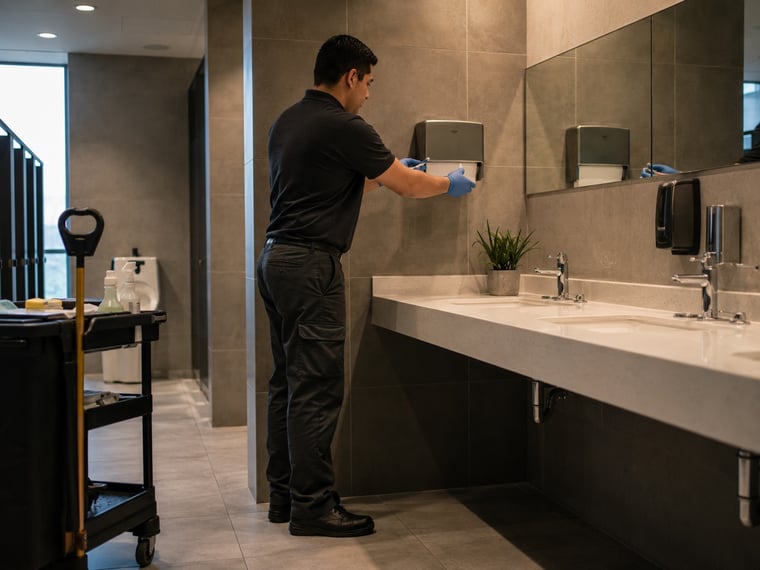
Shared restrooms are one of the quickest ways a building can lose credibility, and they're a common source of complaints when traffic increases. Even a small rise in use means supplies run out faster, floors get dirtier, and touchpoints need more frequent cleaning.
Before the season gets busy, review:
- Soap and paper product consumption rates
- When restroom checks are scheduled relative to peak traffic hours
- Whether the current cleaning frequency matches actual usage
- How often trash liners need changing
Every successful soccer season cleaning plan should include restroom monitoring procedures and supply management strategies.
The key question isn't just if restrooms are being cleaned, but if they stay clean between visits. These are different issues, and during a busy season, the gap between them grows quickly.
Protect the spaces people notice first
First impressions fade faster when traffic is high. A proactive soccer season cleaning plan helps maintain positive first impressions throughout the busiest months of the year.
The signs are easy to spot:
- Entry glass picks up fingerprints sooner
- Lobby floors lose their appearance faster
- Elevator buttons and panels show more wear
- Trash near common areas fills up before the next scheduled service
- Seating areas start feeling used rather than reset
Tenants, guests, and board members notice these things right away. They see them as soon as they walk in.
A strong seasonal plan explains how these spaces will be maintained when traffic increases, whether that's more attention at night, daytime touch-ups in the lobby and elevators, or both. If the most visible areas look worn by mid-morning, the plan needs adjusting.
Use a short seasonal checklist, not a full program overhaul
Property managers don't have to redo the whole cleaning program for just one season. Usually, a focused seasonal review is enough. Reviewing your existing soccer season cleaning plan before traffic increases can prevent many common maintenance complaints.
Here are six questions to answer before summer gets busy:
- Which shared spaces will see the most extra use?
- Which areas already generate the most complaints on a normal week?
- Are restroom supplies sized for heavier traffic?
- Will lobbies, elevators, and entry areas hold up between visits?
- Does the property need daytime porter support during peak hours?
- Who is checking whether the adjusted plan is actually working?
This approach is more helpful than just telling your team to "pay extra attention." It gives them a clear way to check if the current plan still works for the building.
Warning signs your plan is already too light
These indicators often reveal that your current soccer season cleaning plan is no longer keeping pace with building activity.
Property managers usually notice the same signals when a cleaning plan isn't keeping up:
- Restroom complaints start increasing
- Elevator smudges return too quickly after cleaning
- Trash overflows in common areas before the next service window
- Lobby glass looks rough earlier in the day
- Tenants mention cleanliness more frequently than usual
- Staff start requesting extra touch-ups on a regular basis
These aren't just small service issues. There are signs that the building's needs have changed, and the cleaning plan isn't keeping up. The goal is to spot this before it becomes a regular problem.

Don't Wait for Complaints to Adjust the Plan
A well-designed soccer season cleaning plan isn't about doing too much. It's about making sure the cleaning matches how the property will really be used.
For most property managers, this means focusing on common areas first, separating night cleaning from daytime support, planning for real traffic and restroom needs, and protecting the spaces people notice first. When these steps are in place, the building stays in better shape, complaints drop, and your team spends less time fixing problems.
If your current soccer season cleaning plan feels too generic for the upcoming season, start with a facility walkthrough. It's easier to spot real problem areas in person and adjust your janitorial services before things get busy.
Elite Touch Cleaning Services works with commercial properties throughout North Carolina and South Carolina to develop customized cleaning plans that help facilities stay cleaner, safer, and more presentable during periods of increased traffic.